Fire
火
Fire
Kun-yomi 🇯🇵:
ひ (hi)
(Japanese reading)On-yomi 🇨🇳:
カ (ka)
(Chinese-derived reading)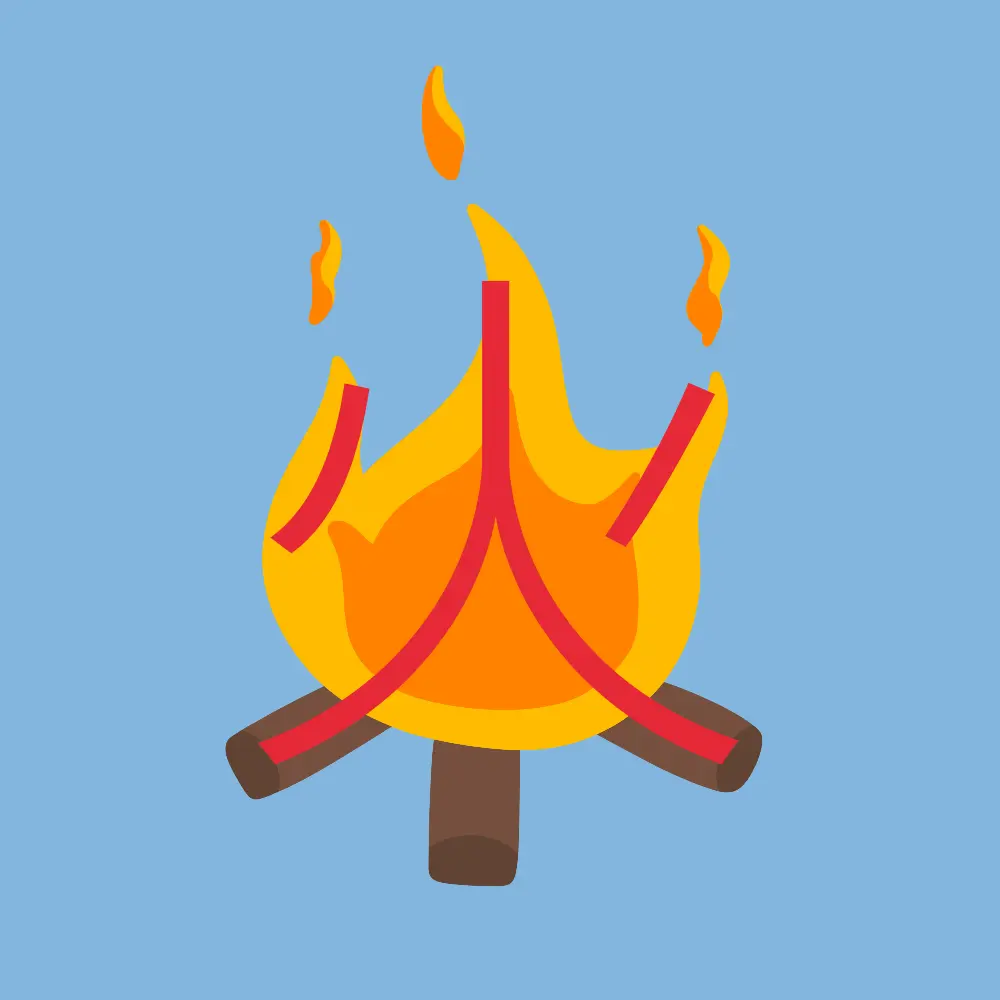
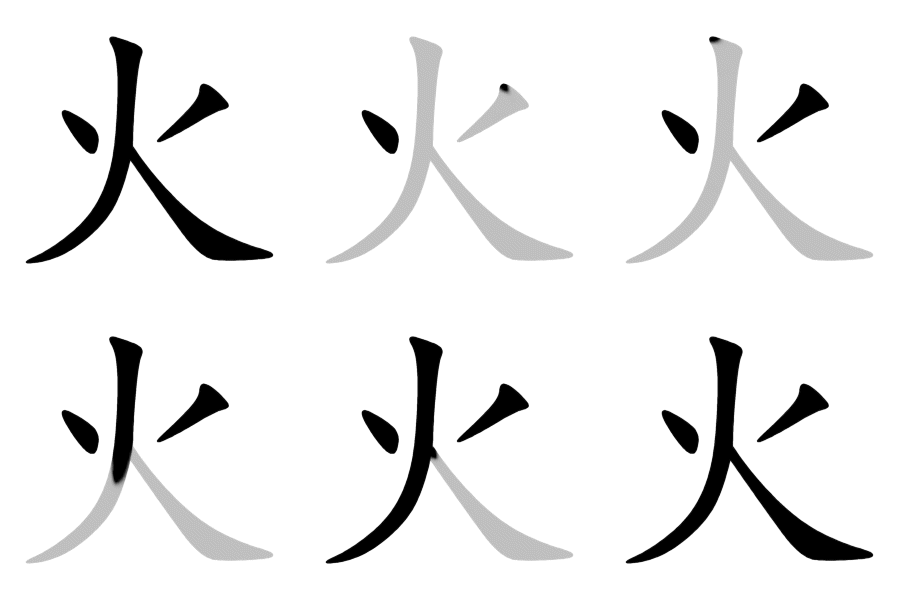
Pronunciation rules
- ひ (hi) is the kun-yomi when used alone or as a common noun.
- カ (ka) is the on-yomi in compounds like 火曜日 (かようび, kayōbi: Tuesday) or 火事 (かじ, kaji: fire disaster).
- As part of proper names and set phrases, readings may vary; learn common expressions like 花火 (はなび, hanabi: fireworks).
Examples
Kun-yomiNative Japanese Readings
火 が あつい です。
The fire is hot.
Uses kun-yomi ひ (hi) when the kanji stands alone
火 を つけます。
I light a fire.
Uses kun-yomi ひ (hi) when the kanji stands alone
火 は あぶない です。
Fire is dangerous.
Uses kun-yomi ひ (hi) when the kanji stands alone
On-yomiSino-Japanese Readings
火曜日
Tuesday
Uses on-yomi カ (ka) in compound
火事
fire (disaster)
Uses on-yomi カ (ka) in compound
火山 が あります。
There is a volcano.
Uses on-yomi カ (ka) in compound
火曜日 に どこへ いきましたか。
Where did you go on Tuesday?
Uses on-yomi カ (ka) in compound 火曜日
ExceptionIrregular Readings
花火 が きれい です。
The fireworks are beautiful.
Exception: 花火 reads as はなび, not かび
Quick facts
- Radical: 火 (itself)
- Strokes: 4
- Common compounds: 火曜日 (かようび, kayōbi), 火事 (かじ, kaji: fire disaster)
- Exceptions:
- 花火 reads as はなび (not かび).
- 火山 reads as かざん (uses on-yomi カ in compound).
- Day names: 火曜日 かようび, 水曜日 すいようび.
Key Words
火 - fire
火曜日 - tuesday
火山 - volcano
火事 - fire (disaster)