River
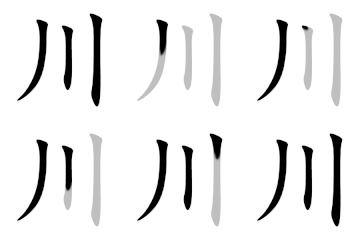
川
River
Kun-yomi 🇯🇵:
かわ (kawa)
(Japanese reading)On-yomi 🇨🇳:
セン (sen)
(Chinese-derived reading)
Pronunciation rules
- かわ (kawa) is the kun-yomi when used alone or as a common noun.
- セン (sen) is the on-yomi in on-yomi compounds like 河川 (かせん, kasen: rivers). Note: On-yomi compounds don't use rendaku.
- Rendaku (連濁): When 川 is not the first kanji in a kun-yomi compound (i.e., when it follows other kanji using Japanese readings), かわ becomes がわ (adds dakuten ゛).
- 小川 (おがわ, ogawa) = 小 + 川 (川 is second, kun-yomi)
- 多摩川 (たまがわ, tamagawa) = 多摩 + 川 (川 is third, kun-yomi)
- テムズ川 (テムズがわ, Temuzu-gawa) = テムズ + 川 (川 follows, kun-yomi)
Important distinction:- On-yomi compounds: 河川 (かせん, kasen) uses セン (on-yomi) - no rendaku because on-yomi doesn't use rendaku
- When 川 is first: 川口 (かわぐち, kawaguchi) stays かわ (no rendaku when 川 is first)
- River names and geographical terms often use kun-yomi with rendaku: ~がわ pattern.
Examples
Kun-yomiNative Japanese Readings
きれいな 川 です ね。
What a beautiful river!
Uses kun-yomi かわ (kawa) when the kanji stands alone
かのじょ は テムズ川 を およいで わたろう と した。
She tried to swim across the Thames River.
Uses kun-yomi がわ (gawa) in river name
川口
river mouth
Uses kun-yomi かわ (kawa) when 川 is the first part of a compound
On-yomiSino-Japanese Readings
河川
rivers (collective)
Uses on-yomi セン (sen) in compound
ExceptionIrregular Readings
小川
small river
Exception: Rendaku changes かわ to がわ
多摩川
Tama River
Exception: River names often read as ~がわ
Quick facts
- Radical: 川 (itself)
- Strokes: 3
- Common compounds: 河川 (かせん, kasen), 川岸 (かわぎし, kawagishi: riverside)
- Rendaku Rule:
- 連濁 (Rendaku): When 川 follows other kanji in kun-yomi compounds, かわ → がわ
- On-yomi: 河川 かせん uses セン (on-yomi, no rendaku)
- River names: 多摩川 たまがわ, 天の川 あまのがわ
- Foreign rivers: テムズ川 テムズがわ, ナイル川 ナイルがわ
- Other examples: 小川 おがわ (川 follows 小, so がわ)
- When 川 is first: 川口 かわぐち (川 is first, so かわ, no rendaku)
Key Words
川 - River
山川 - Mr/Ms Yamakawa
インダス川 - The Indus river