Sun
日
Sun
Kun-yomi 🇯🇵:
ひ (hi)
/び (bi)
(Japanese reading)On-yomi 🇨🇳:
ニチ (nichi)
/ジツ (jitsu)
(Chinese-derived reading)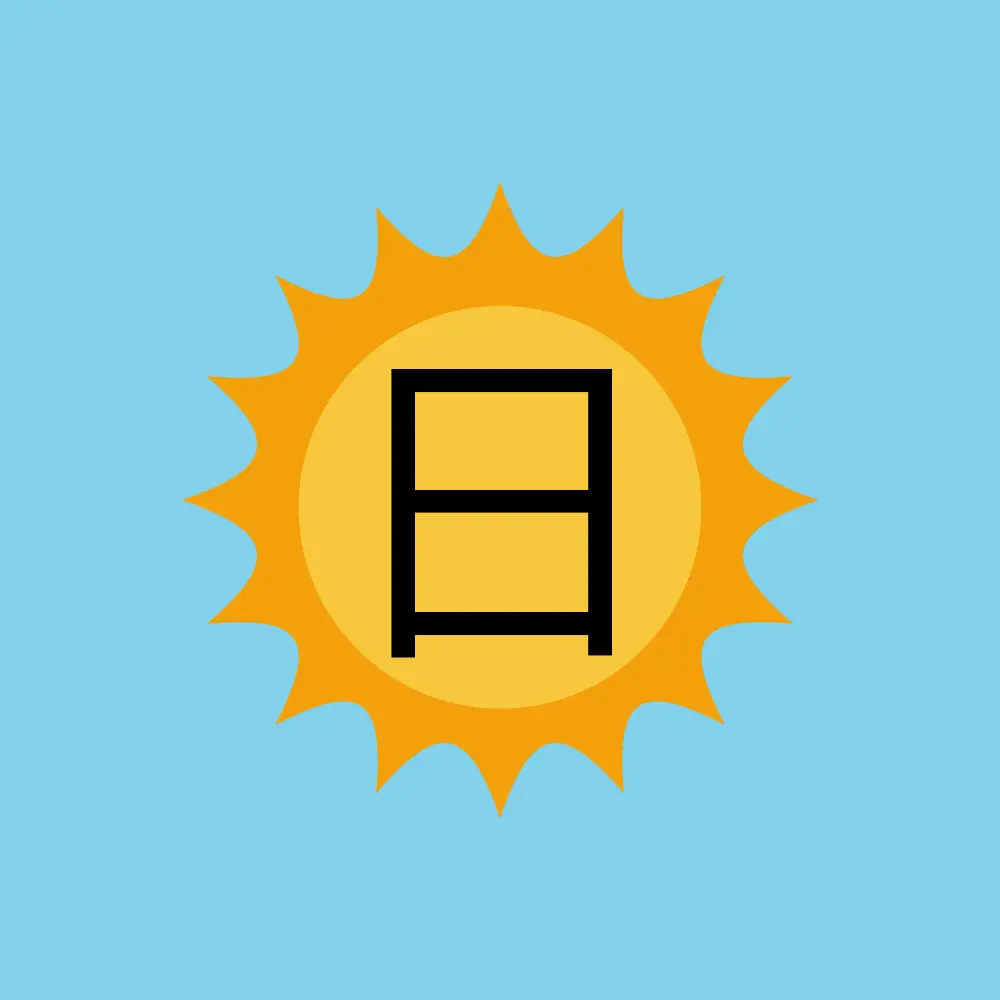
Pronunciation rules
- ひ (hi) - kun-yomi: used when 日 stands alone or as a common noun.
- び (bi) - special reading: when 日 appears at the end of day names, it reads as び. Example: 日曜日 (にちようび, nichiyōbi) = にち + よう + び.
- ニチ (nichi) - on-yomi: used in on-yomi compounds like 日本 (にほん, nihon), 毎日 (まいにち, mainichi).
- ジツ (jitsu) - on-yomi: another on-yomi reading used in compounds like 祝日 (しゅくじつ, shukujitsu: holiday).
- Exceptions: 今日 (きょう, kyō: today) - memorize as special reading.
Examples
Kun-yomiNative Japanese Readings
日 が でています。
The sun is out.
Uses kun-yomi ひ (hi) when the kanji stands alone
日 が あついです。
The sun is hot.
Uses kun-yomi ひ (hi) when the kanji stands alone
On-yomiSino-Japanese Readings
日本
Japan
Uses on-yomi ニチ (nichi) in compound
毎日
every day
Uses on-yomi ニチ (nichi) in compound
祝日
holiday
Uses on-yomi ジツ (jitsu) in compound
ExceptionIrregular Readings
日曜日
Sunday
First 日 uses にち (nichi), second 日 uses special reading び (bi) in day names
今日 は いい 天気 です。
Today is nice weather.
Exception: 今日 reads as きょう, not こんにち
Quick facts
- Radical: 日 (itself)
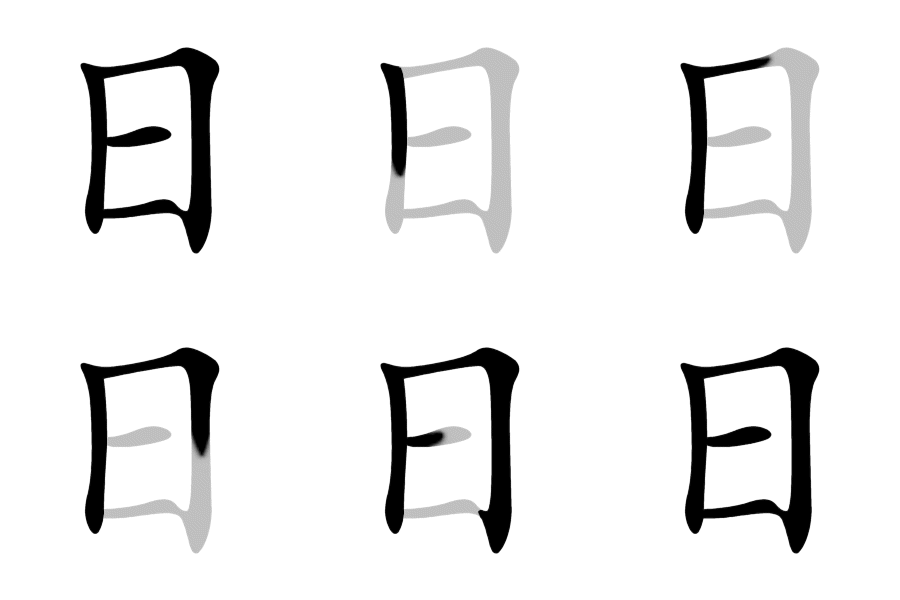
- Strokes: 4
- Common compounds: 日本 (にほん, nihon), 今日 (きょう, kyō: today)
- Usage summary:
- ひ: alone, 日 ひ
- にち: 日本 にほん, 毎日 まいにち
- じつ: 祝日 しゅくじつ
- び: 日曜日 にちようび (second 日 in day names)
- Exception: 今日 きょう, 昨日 きのう
Key Words
日 - sun
日曜日 - sunday
日本 - japan
祝日 - holiday