Two
二
Two
Kun-yomi 🇯🇵:
ふた (つ) (futatsu)
(Japanese reading)On-yomi 🇨🇳:
ニ (ni)
(Chinese-derived reading)
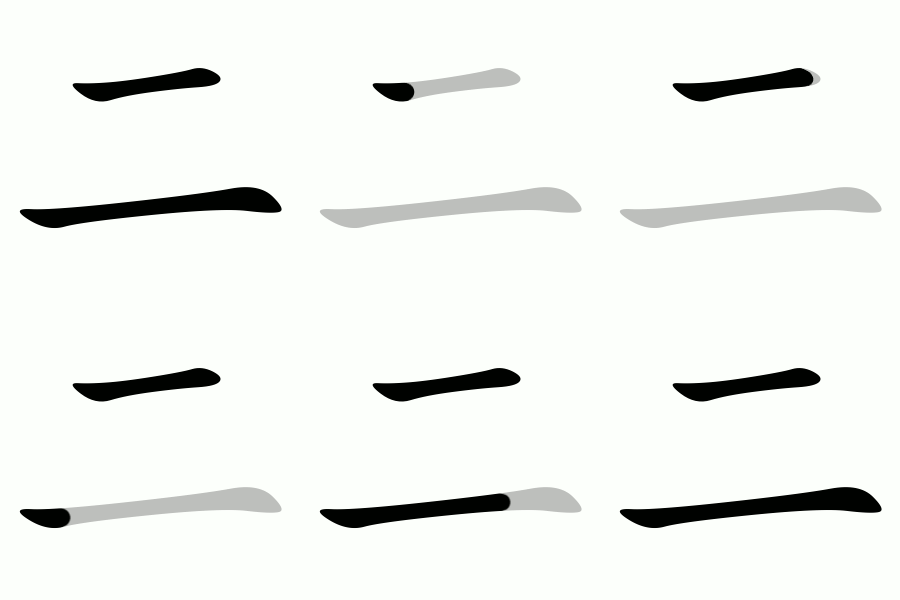
Pronunciation rules
- ふたつ (futatsu) is the kun-yomi when counting things.
- ニ (ni) is the on-yomi in compounds like 二月 (にがつ, nigatsu: February).
- As part of proper names and set phrases, readings may vary; learn common expressions like 二日 (ふつか, futsuka: the 2nd day of a month) or 二人 (ふたり, futari: two people).
Examples
Kun-yomiNative Japanese Readings
二 つ あります。
There are two.
Uses kun-yomi ふたつ (futatsu) when counting things
二 つ ください。
Two, please.
Uses kun-yomi ふたつ (futatsu) when counting things
二 つ だけ です。
Only two.
Uses kun-yomi ふたつ (futatsu) when counting things
On-yomiSino-Japanese Readings
二月
February
Uses on-yomi ニ (ni) in compound for months
二 月 に いきます。
I will go in February.
Uses on-yomi ニ (ni) in compound 二月
ExceptionIrregular Readings
二日
the 2nd day of a month
Exception: 二日 reads as ふつか for the second day of the month
二人
two people
Exception: 二人 reads as ふたり (not ににん)
Quick facts
- Radical: 二 (itself)
- Strokes: 2
- Common compounds: 二月 (にがつ, nigatsu), 二人 (ふたり, futari: two people)
- ⚠️ Exceptions:
- 二日 reads as ふつか when meaning "the 2nd day of a month" (not ににち).
- 二人 reads as ふたり (not ににん).
- Counting: ふたつ (two things), みっつ (three things).
Key Words
二 - two
二月 - february
二日 - the 2nd day of a month
二人 - two people